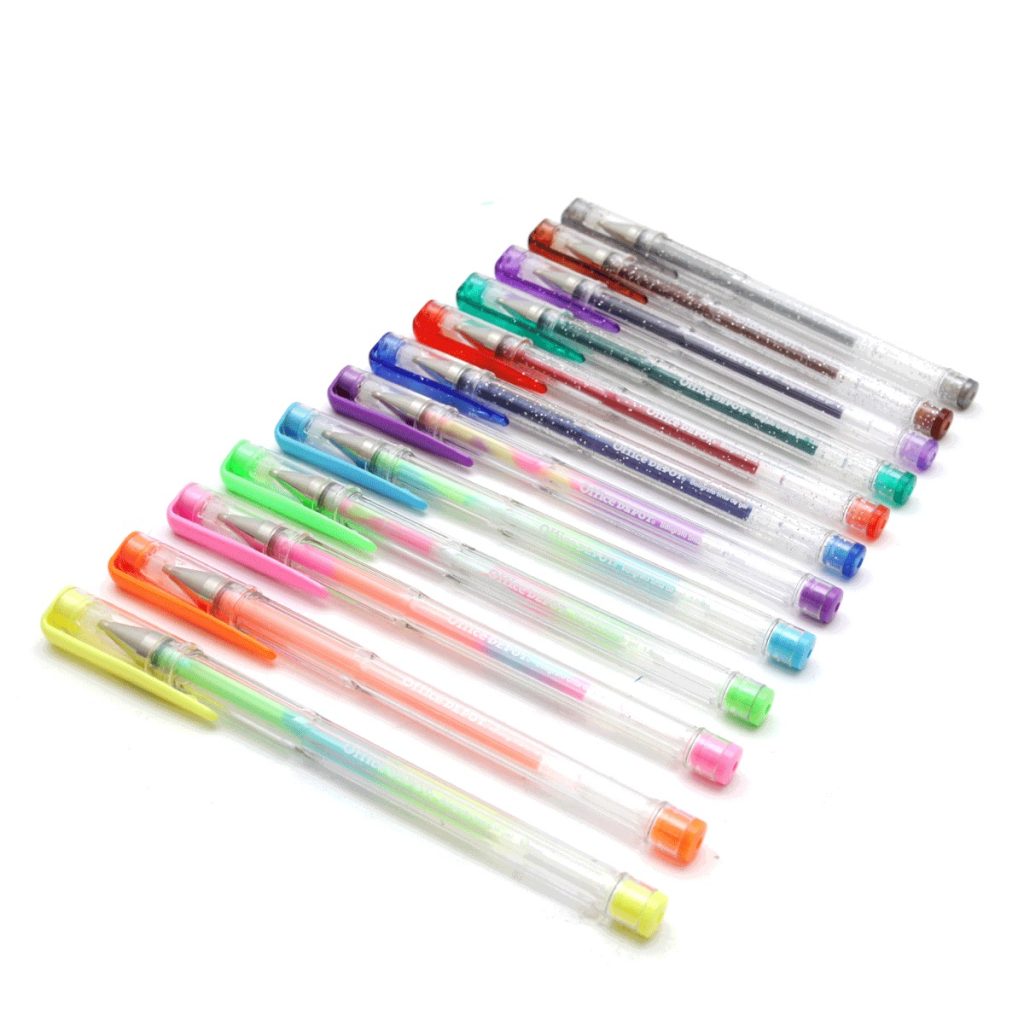
There was a time — somewhere between childhood innocence and teenage ambition — when the most important thing in my world was… pens.
Yes, pens. But not just any pens.
We’re talking glittery pens, neon pens, metallic pens, pens that smelled like strawberries, pens that wrote so smoothly you felt like signing autographs, even if nobody was asking.
This was the birth of The Great Pen Trading Economy.
At 13 years old, we weren’t just kids — we were tiny entrepreneurs, unknowingly building our first free market economy right there in the schoolyard. Every recess turned into a bustling trading floor. The rules? Simple, yet sophisticated:
- If your pen had sparkles, its value skyrocketed.
- If the ink flowed perfectly — smooth, uninterrupted — the demand was high.
- If it dried up halfway, you better throw in a sticker as a bonus.
- Neon? Always hot.
- Scented? Limited edition.
We became negotiators, product testers, and marketing strategists. I still remember standing with my little crew, testing ink flow on notebook margins, inspecting smudge levels, and arguing passionately over valuations:
“This gold pen is worth two basics.”
“No chance! This neon pink one is worth three — minimum!”
We even lobbied our moms for more supplies under the noble excuse of “needing them for school.” (Technically true… just not academically.)
But here’s where it gets interesting.
Without realizing it, we were learning some serious lessons:
- Supply and demand.
- Perceived value vs. actual utility.
- Negotiation tactics.
- Brand positioning (yes, even in pen form).
We were building a market based on emotional value — not just function. We didn’t need more pens. We wanted to trade, to negotiate, to win.
And honestly?
That little pen economy taught me more about real-world business than some of the classes I sat through later.
Because school never really prepared us for adult bureaucracy, taxes, paperwork, and fiscal systems. But that’s a whole other blog post.
The moral?
Business starts long before you ever register a company.
It starts with curiosity, with trying, failing, swapping, negotiating, and having fun doing it. The skills we build when we’re simply “playing” can become the strongest foundation for what we do as adults.
So next time you see a group of kids trading stickers, marbles, or Pokémon cards, smile.
You might just be watching the CEOs of tomorrow.